

Sleep Disorders
Services Provided
Diagnostic:
Exam & Test
- Full spectrum airway exam by the medical director to pinpoint the cause of snoring and OSA
- Take-home sleep study machine
- Insomnia testing
Treatment:
Medical Treatments
- CPAP treatment: continuous positive airway pressure
- BPAP treatment: bi-level positive airway pressure
- APAP treatment: automatic positive airway pressure
- Oral Appliances
Surgical Treatments
- Nasal Passage Treatment
- Radio Ablation Pharyngopalatoplasty (RAUP)
- Transoral Robotic Surgery (TORS)
- Genio/Hypoglossal Nerve Stimulation Therapy
According to studies from 2024–2025, approximately 32.4% of the adult population in the United States suffers from obstructive sleep apnea (OSA). OSA is frequently undiagnosed because many patients and families dismiss it as simple snoring or a social inconvenience. However, untreated OSA shortens lifespan by increasing the risk of cardiovascular disease, including arrhythmias, hypertension, heart attack, and stroke, as well as metabolic disorders such as diabetes, cataracts, and erectile dysfunction.
Therefore, prompt diagnosis and treatment of OSA are critically important. The initial and most widely accepted treatment is continuous positive airway pressure (CPAP), a noninvasive therapy in which a mask connected to a ventilator delivers airflow during sleep when breathing stops. Although CPAP is highly effective, patient compliance is a major limitation. Many patients struggle to fall or stay asleep while using it, and younger patients are often reluctant to wear the device nightly for life. As a result, long-term compliance rates are only about 50%, leaving many patients in need of alternative treatment options.
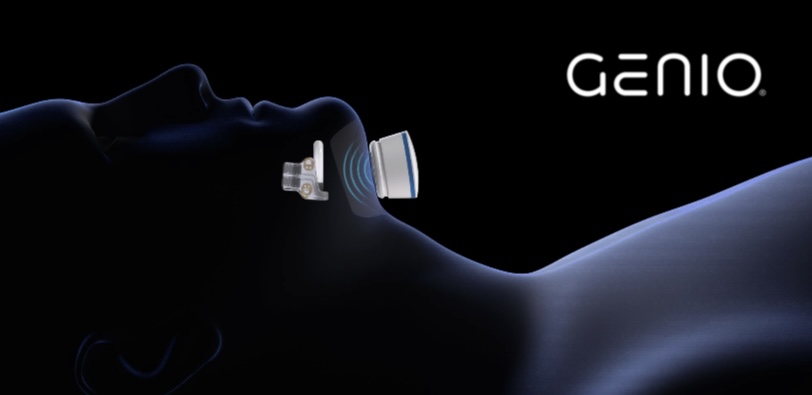
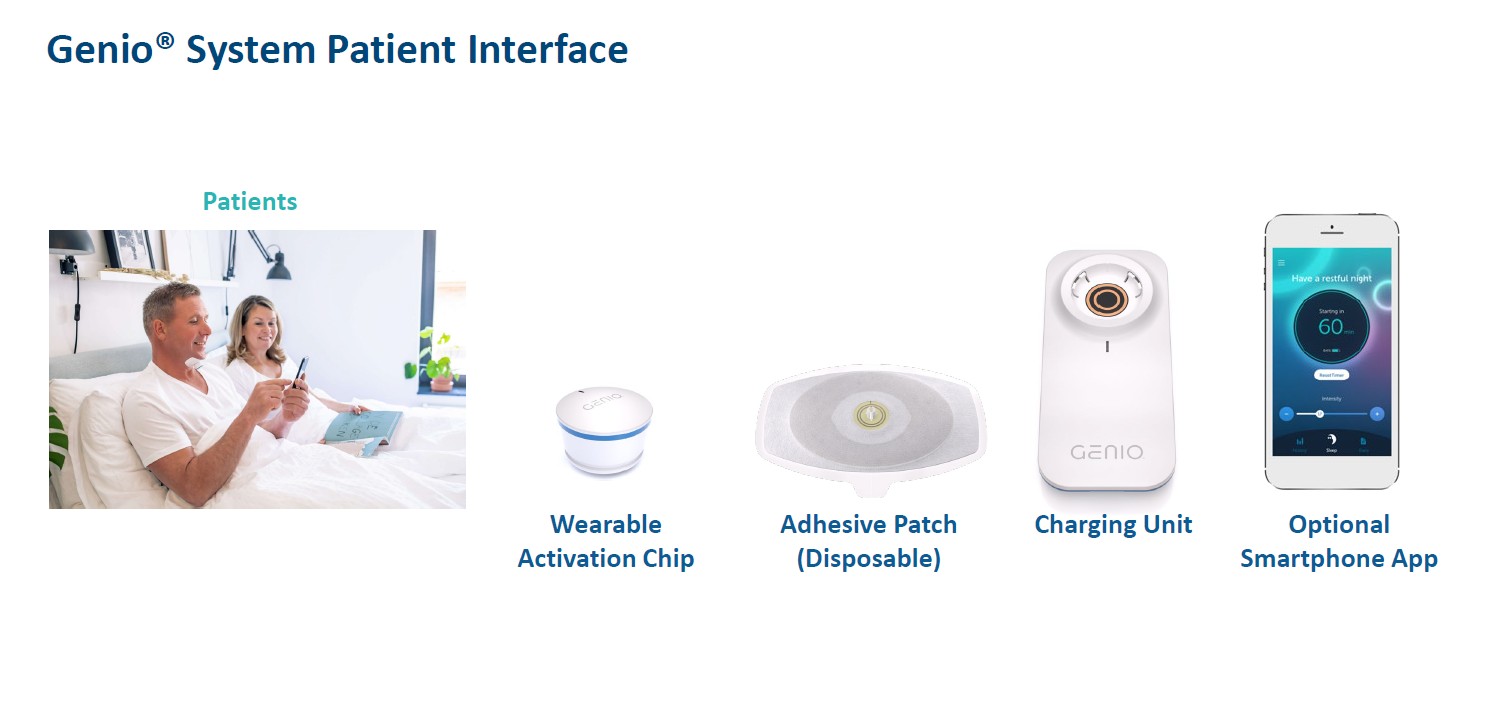
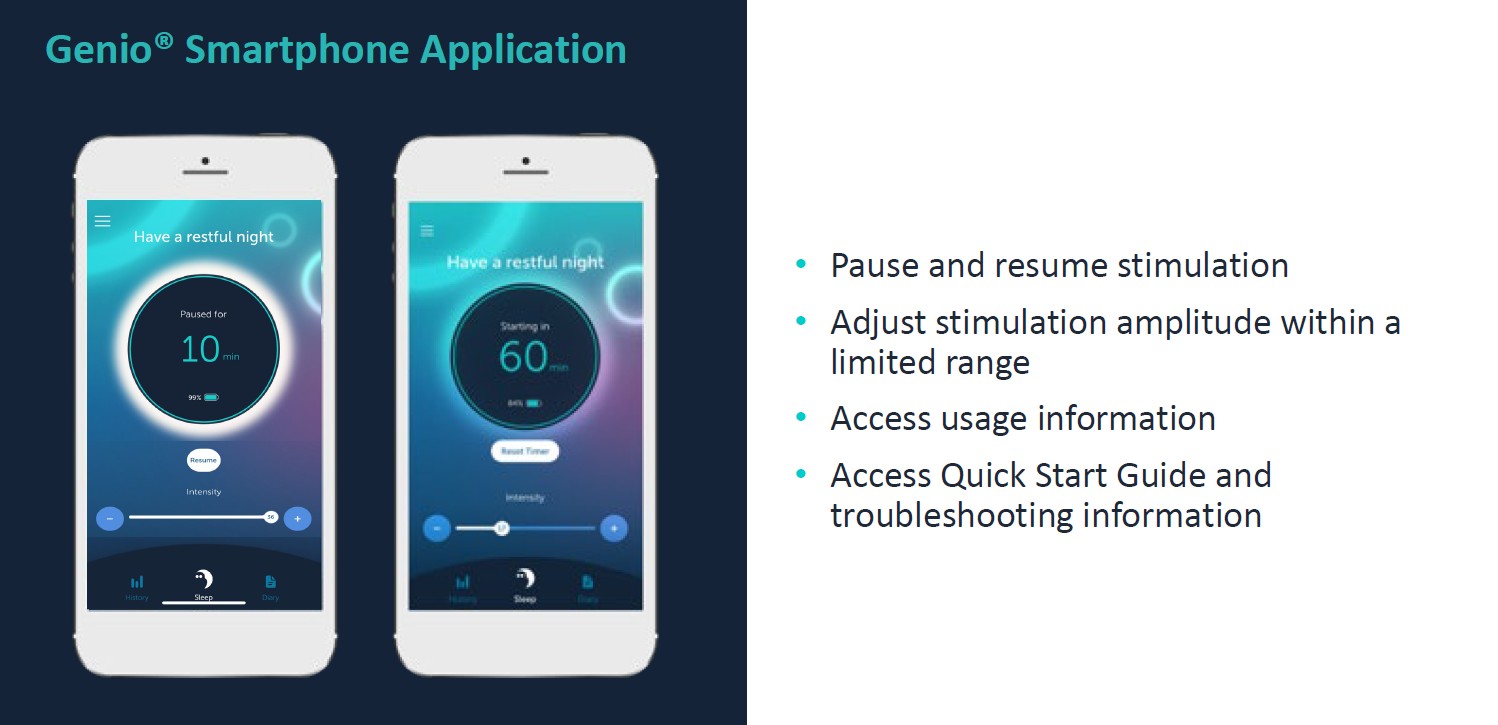
Over the past decade, the Inspire hypoglossal nerve implant has been used to treat patients who cannot tolerate CPAP. However, this procedure requires an incision in the neck and an additional chest incision to place a pacemaker-like device, which must be surgically replaced when the battery expires. To address these limitations, a newer device called Genio was developed and has been used in Europe for several years with excellent outcomes. Unlike Inspire, the Genio system does not require a chest implant or chest surgery. It involves a single small incision in the upper neck to place an implant. Instead of an internal battery, patients wear a small, button-sized external device (approximately one inch in diameter) under the chin during sleep. This external device stimulates the hypoglossal nerve and the implant to open the airway when obstruction occurs. Upon waking, the patient removes the external device and places it on a charger, similar to charging a mobile phone.
Because the Genio system is simpler than Inspire, patient compliance in Europe has been high. Additionally, Genio stimulates both sides of the hypoglossal nerve, resulting in more symmetrical tongue movement, more effective airway opening, and greater freedom to sleep in all positions, further improving compliance. The system also eliminates the need for future chest surgery to replace batteries. The device has been widely accepted in Europe for many years with excellent outcomes and is covered by the British National Health Service.
In the United States, the Genio device received FDA approval in late 2025 based on favorable clinical studies. Since then, a small number of surgeons have begun performing Genio implant procedures, including Dr. Jeffrey Ahn. These surgeries are typically performed in an outpatient setting, with patients discharged the same day and able to return to desk work within two days. Genio implantation is a highly effective treatment with relatively low morbidity and represents an excellent option for patients with obstructive sleep apnea who cannot tolerate CPAP therapy.
Genio™ – Minimally Invasive Sleep Apnea Treatment
Genio™ is an innovative, minimally invasive procedure designed to treat obstructive sleep apnea. Performed through a single small incision, it gently stimulates the tongue muscles to keep your airway open while you sleep.
This outpatient procedure is typically completed in under an hour, allowing most patients to go home the same day. Genio™ offers an alternative for individuals who cannot tolerate CPAP therapy or are seeking a less invasive option than traditional surgeries.
Benefits of Genio™:
-
Single small incision for faster recovery
-
No need for overnight hospital stay
-
Clinically proven to reduce sleep apnea symptoms
-
Improved sleep quality and daytime energy

Is Genio™ right for you?
If you suffer from obstructive sleep apnea and struggle with CPAP, schedule a consultation to see if Genio™ is a suitable treatment option.
The da Vinci® Surgical System
The da Vinci Surgical System is a sophisticated robotic platform designed to expand the surgeon’s capabilities and offer a state-of-the-art minimally invasive option for major surgery.
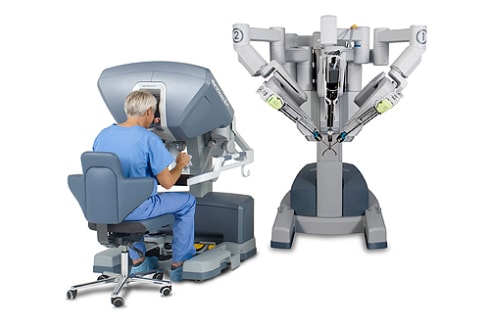
With da Vinci, small incisions are used to insert miniaturized wristed instruments and a high-definition 3D camera. Seated comfortably at the da Vinci console, your surgeon views a magnified, high-resolution 3D image of the surgical site inside your body.
At the same time, the latest robotic and computer technologies scale, filter and seamlessly translate your surgeon’s hand movements into precise micro-movements of the da Vinci instruments.
Although it is often called a “robot”, the da Vinci System cannot move or operate on its own and your surgeon is 100% in control.


